
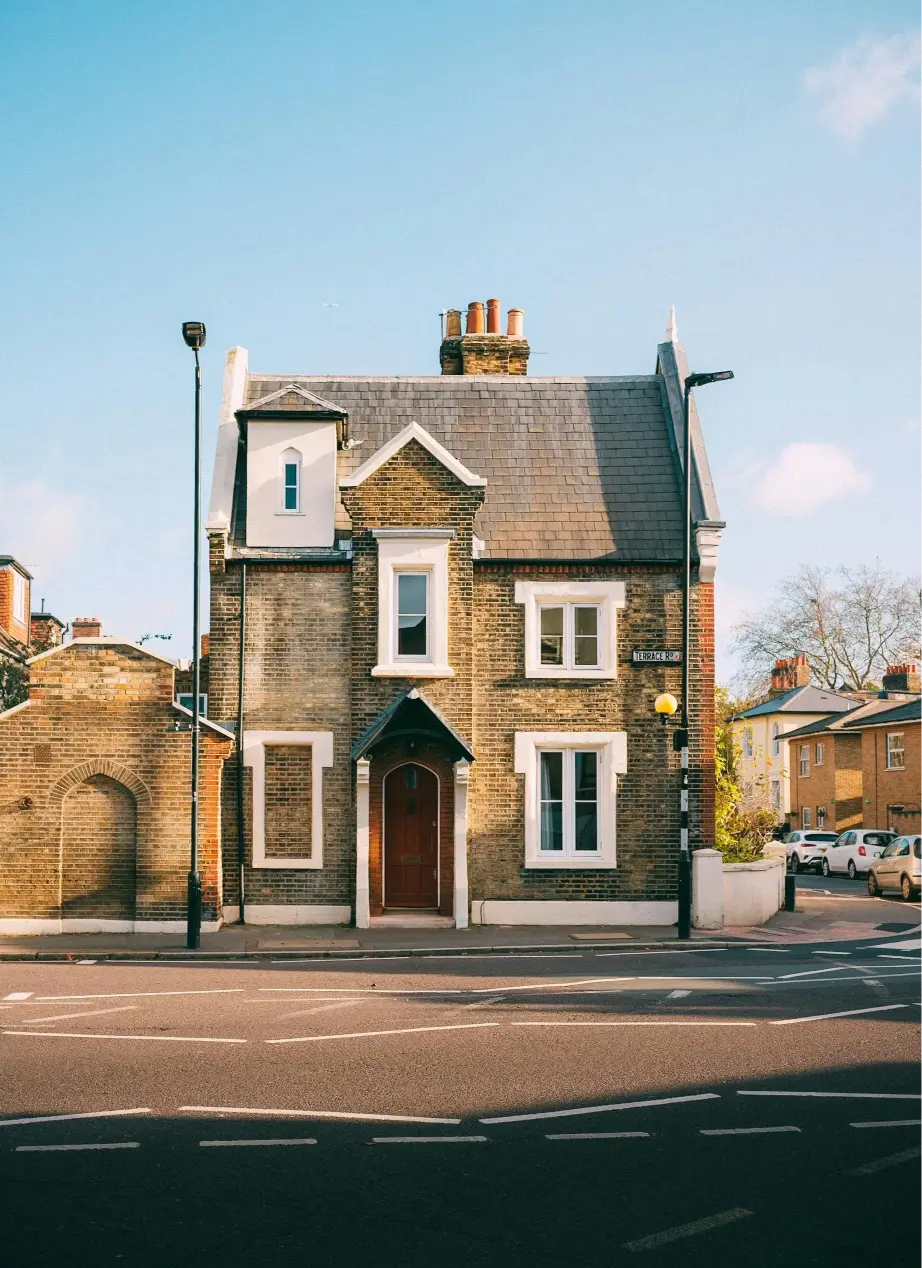
Hidden water leaks can cause major problems in a rental home, and a lot of the time, they go unnoticed until there’s real damage. It’s not always as obvious as a dripping faucet or a soaked floor. Leaks behind walls, under cabinets, or under the house can quietly do harm without anyone realizing it right away. For property owners and managers in Coral Springs, the mix of unpredictable weather and aging rental units makes water damage a common concern, especially by early fall, when the rainy season has already taken a toll on roofs and plumbing systems.
Because water leaks aren’t always easy to spot, they can be overlooked during regular check-ins. But the longer they’re ignored, the worse they get. Water doesn’t just disappear, it travels. It seeps through drywall, spreads under flooring, and can even mess with a home’s structure if left alone too long. Detecting issues before they become expensive repairs not only helps protect the property but also keeps the space safer and more comfortable for renters.
Common Signs Of Hidden Water Leaks
Most renters won’t report what they can’t see, which is why it’s up to the property manager to catch the subtle stuff that hints at bigger trouble. These signs often show up in quiet ways, and recognizing them can make a big difference in keeping a unit in good shape.
Here are a few red flags that might point to a leak:
- Discoloration on walls or ceilings: If you spot yellow or brown stains, especially near bathrooms or kitchens, don’t assume it’s old. You might be looking at moisture from a hidden pipe.
- Musty or damp smells: That “wet towel” smell, even when everything appears dry, can mean water is collecting somewhere behind the walls or under the floors.
- Sudden spikes in water bills: A jump in water usage without increased occupancy or use is often a sign that water is escaping somewhere it shouldn’t be.
- Peeling paint or bubbling wall texture: These aren’t just signs of age. They usually show up when water has been sitting behind a surface long enough to damage the finish.
- Warped or buckled floors: Moisture changes the shape of wood and laminate flooring. If you see boards lifting or curving, it’s time to investigate.
One Coral Springs property owner noticed a strange odor when showing a unit, even though it had just been cleaned. After some digging, they found a small leak under the kitchen sink that had slowly soaked into the cabinet base and spread onto the wall. No obvious puddle — just trapped moisture and time. If they hadn’t caught it early, it would have spread to the floors and drywall.
Looking out for these signs during regular inspections can help stop small problems before they snowball. It doesn’t take long to check, but it can save a lot of headache down the road.
Checking Unseen Areas
A lot of leaks don’t announce themselves until there’s already mold or water damage. That’s why it’s smart to do more than just look around the visible spaces. Some parts of a rental unit are more likely to hide trouble, especially if they’re out of sight and hard to reach.
Here’s where to watch closely:
- Behind appliances
Large appliances like refrigerators, washing machines, and dishwashers sit against the wall and often go untouched for years. Leaky connections or cracked hoses can create slow drips behind the unit that build up over time. Try to pull these out a couple of times a year or during turnover, just to double-check. - Under sinks and around fixtures
These areas tend to stay warm and closed off, making them perfect for a slow leak to grow mold or cause wood rot. Look for swollen cabinet wood, soft drywall, or rust on metal parts. - Underneath the unit
Crawl spaces or foundation edges can show signs before they appear inside. If part of your rental sits above a crawl space, that’s a good spot to check after heavy rains or when there’s been plumbing work. - Attics and ceiling corners
Especially in rental homes with older roofing, leaks can sneak in around vents, chimneys, or worn shingles. If water spots appear in the ceiling or corners, the attic usually holds the answer.
By checking these often-missed areas, you’re able to catch moisture problems before they ruin the space or force a tenant to move out. These checks don’t need to happen every week, but adding them to your seasonal or renewal-time inspections can keep surprises to a minimum.
Technology And Tools For Leak Detection
Sometimes your eyes aren’t enough to find a hidden leak, and that’s where the right tools make all the difference. Small drips behind walls or under flooring won’t always leave visible signs right away, especially in warmer, humid places like Coral Springs where excess moisture can blend into the environment. Using specific devices gives you a better shot at catching problems before they become costly.
One of the easiest gadgets to keep on hand is a moisture meter. These handheld tools measure the moisture level inside walls, floors, and wood trim. Just place it against the surface and it’ll give you a quick read. Moisture above the normal range could mean there’s water where it shouldn’t be. This helps take the guesswork out of inspections when a space feels damp but looks fine.
Thermal imaging cameras take things to the next level. Instead of showing moisture directly, they detect temperature changes in materials. When water gathers behind a surface, it often causes colder spots. The camera picks up those cool areas as color changes, letting you spot leaks inside a wall without needing to tear anything out.
Another useful tool is an acoustic leak detector. These listening devices can pick up the sound of water running through pipes, even behind walls or under concrete. They’re helpful when you suspect a pipe is leaking but can’t trace where the sound is coming from. They’re especially handy in units with long pipe runs or older plumbing systems where noise can be misleading.
Using these tools regularly, especially during tenant turnovers or seasonal checkups, gives you a better chance of catching leaks that basic visual inspections might miss. You don’t always need to use all of them, but having access to even one or two makes it easier to protect the rental and give tenants a safer living space.
Why Early Detection Matters for Coral Springs Rentals
Catching leaks early can save a lot of time and avoid expensive repairs, especially in Florida homes built before updated building codes or with older plumbing. What starts as a small drip can snowball quickly. That moisture seeps through wood, tile, and drywall, causing mold growth, water staining, and even weakening the structure behind the scenes.
Beyond the property damage, slow leaks can create health concerns when mold begins to grow. Mold thrives in damp, dark spaces and often spreads before there are visible signs. Tenants might start to complain about itchy skin, watery eyes, or a stuffy nose, unaware that the hidden cause is moisture inside the walls. Addressing these problems after they’ve spread becomes a much bigger job, one that usually involves cutting into walls, replacing insulation, or even rerouting plumbing.
Early detection also helps prevent tenant turnover. Nobody wants to deal with regular leak issues in their home. If a renter feels like a property isn’t cared for or safe, they’re less likely to renew their lease. On the flip side, knowing their Coral Springs property manager is proactive makes them feel valued and more likely to stay long-term.
Another reason to act quickly is insurance and liability. The longer damage sits, the harder it is to prove when and how it happened. If a leak causes visible damage or mold, it’s best to have documentation ready showing regular checks and efforts to maintain the place. Insurance companies often ask for repair histories or inspection records when water damage claims come up.
Fixing a leak early might only take a plumber a few hours. But ignoring it can lead to torn-out drywall, ruined flooring, or worse — displaced tenants. Staying ahead protects both the property and the relationship with tenants.
Keeping Coral Springs Rentals Safe and Dry
Staying ahead of leaks doesn’t mean doing constant deep inspections. It means being consistent. Adding leak checks to seasonal walkthroughs or tenant turnover routines can help avoid sudden, unwanted surprises. It’s easier to do five small checks than one massive repair.
Here are good habits to build into your maintenance plan:
- Check under sinks and behind toilets every time a unit is cleaned or inspected
- Add attic and crawl space checks to twice-a-year visits, especially after heavy storms
- Keep a moisture meter in your standard toolkit for quick surface checks
- Look behind large appliances when servicing or replacing them
- Encourage tenants to report low water pressure, odd sounds, or soft spots immediately
In Coral Springs, where storms and high humidity are part of life, plumbing systems work harder than in drier climates. That means even newer properties can develop slow leaks over time. Staying organized with a checklist and keeping records of each inspection helps make smarter choices about preventive repairs.
A proactive approach doesn’t just avoid big issues. It also builds a better experience for tenants. They don’t see all the maintenance work going on in the background, but they will notice when their home stays dry, clean, and mold-free.
Being consistent with leak checks makes it easier to spot patterns too. Maybe leaks tend to show up behind a certain wall in older units, or maybe a certain appliance line always needs tightening. Either way, the more you keep track, the more you’ll get ahead of problems before they become a major headache.
Protecting your rental property from hidden leaks is just part of what makes a home safe and comfortable. If you’re looking for more ways to optimize your property’s management, consider how a Coral Springs property manager can help maintain long-term value and reduce surprise repairs. Brightdoor Property Management is here to support you with reliable service tailored to your property’s needs.